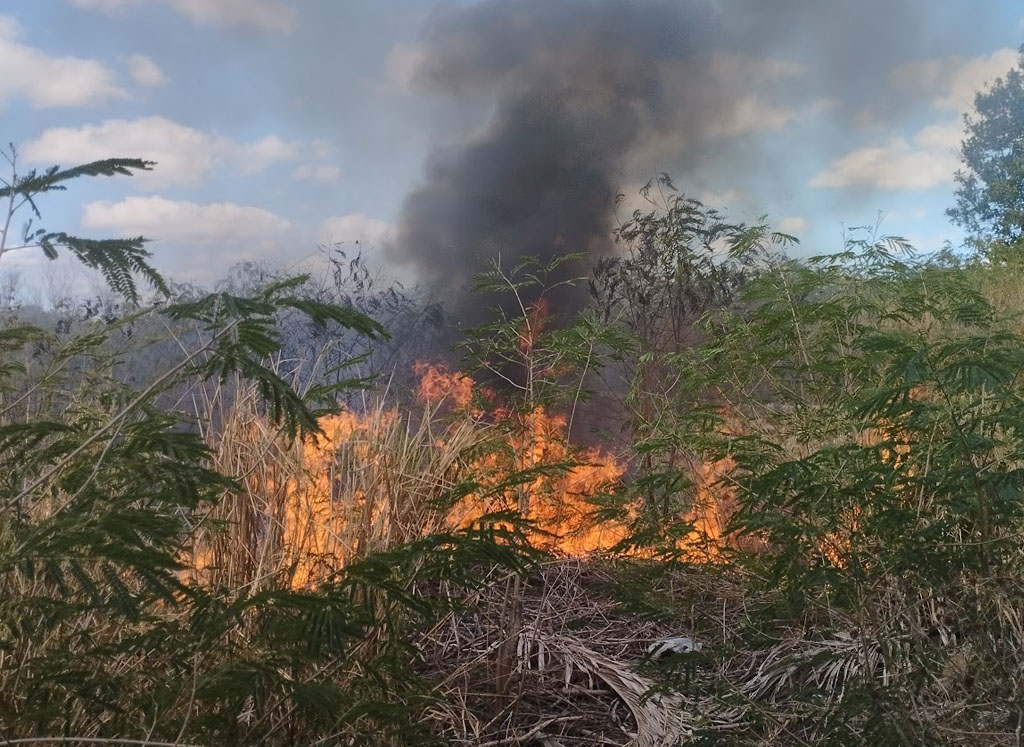
A quiet residential neighborhood in southern Mérida has erupted in protest this week as residents accuse authorities of allowing the destruction of a sacred Maya archaeological site dating back more than 2,000 years.
The site, known as Dzoyilá Granjas, is directly behind Mérida’s baseball stadium and is at the center of a heated battle between heritage defenders and heavy machinery.
Residents began a citizen mobilization this week to demand transparency and halt what they describe as unauthorized construction work within the ancient Maya archaeological zone of Dzoyilá Granjas. According to residents, bulldozers and construction equipment were first spotted on the site in early May. Yet, no public information has been released regarding permits, licenses, or the nature of the project.
“We noticed machinery working at the site, but there is no public information. There is no construction data, no explanation from the City Council, the State Government, or INAH about what is being done,” denounced Fátima Gamboa, a resident and member of the citizen group that has organized to defend the location.
Dzoyila´s Heritage over Parking Lots
The residents are not merely concerned about a patch of dirt. Dzoyilá holds profound historical significance. Gamboa emphasized that the area was a Maya residential zone dating to the Preclassic period, making it even older than the famed pyramid of Kukulcán at Chichén Itzá.
“This place has historically been abandoned, but that does not take away its value. There was a Maya residential area here from the Preclassic period, even older than Chichén Itzá. There are ceremonial centers and burial zones. It is a sacred place,” Gamboa stated.
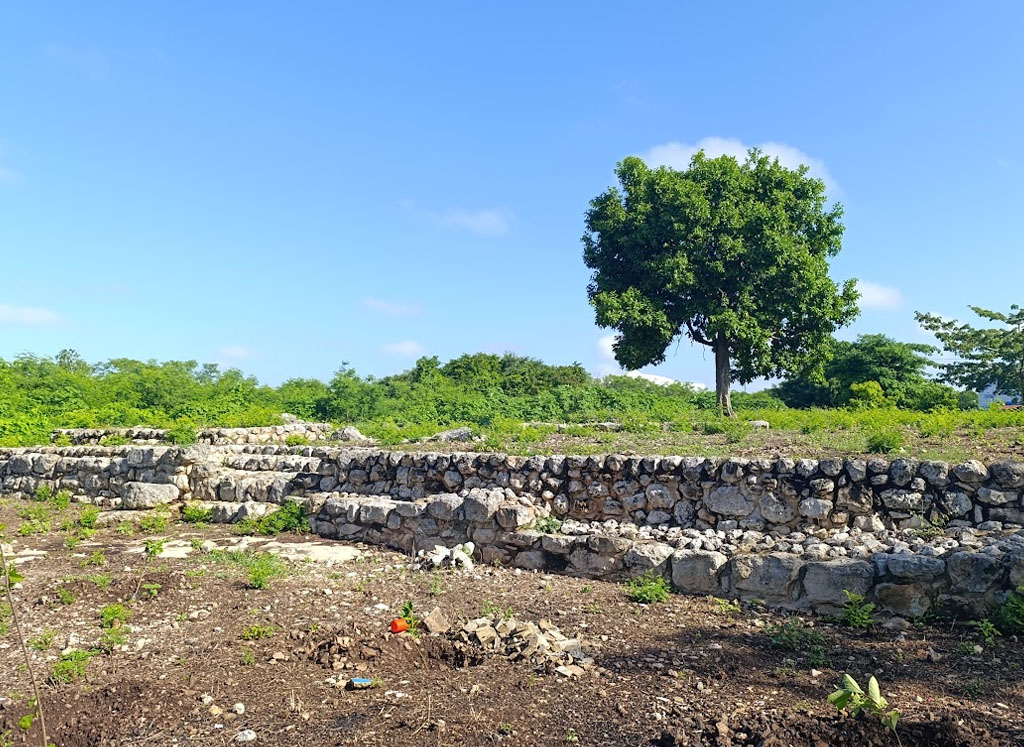
Local defenders point out that the site still preserves remnants of a pyramid, platforms, and vestiges of housing that are part of Mérida’s pre-Hispanic heritage amid the urban sprawl. The site is also mentioned in the historic Chilam Balam of Chumayel, underscoring its deep roots in Yucatecan Maya tradition and history.
A History of Threats to Dzoyilá
The current mobilization echoes a similar crisis from two decades ago. Residents recall that in 2005, the site faced similar threats of urbanization for commercial projects. On that occasion, inhabitants successfully stopped the works with the support of the National Institute of Anthropology and History (INAH).
“Many real estate companies start work before having the authorizations, then they use a mechanism to basically get the seal of approval that everything is fine when everything is already devastated, when you can no longer know what has been destroyed,” Gamboa explained, describing a pattern of legal maneuvering that concerns the community.
Environmental and Urban Concerns
Beyond the archaeological damage, neighbors are raising alarms about the environmental impact. Residents report that trees and vegetation have already been removed from the area. These green spaces previously functioned as water catchment zones and refuges for local bird species.
“Defending cultural heritage is also defending the quality of life. There were green areas here that provided coolness, helped with water capture, and served as a refuge for birds,” Gamboa said. “We are also worried about how a potential business would affect traffic, water pressure, and the tranquility of this entire zone.”
Legal Action and Calls for Consultation
The citizen organization is currently analyzing the possibility of seeking a legal injunction (amparo) to suspend works while the legal and patrimonial situation of the land surrounding Dzoyilá is clarified.
Furthermore, residents are questioning the lack of consultation processes. They argue that, despite the space’s significant cultural and historical relevance, local Maya communities and residents were never consulted.
“There is a legal obligation to consult indigenous peoples when it comes to decisions about their cultural heritage. We were never summoned nor informed,” Gamboa asserted.
As of press time, the Mérida City Council, the state government, and INAH had not issued a coordinated response regarding the specific permits for the construction spotted behind the baseball stadium ath Dzoyilá Granjas. The community remains on high alert, vowing to defend what they call “the destruction of their heritage” before it is erased by urban development.