

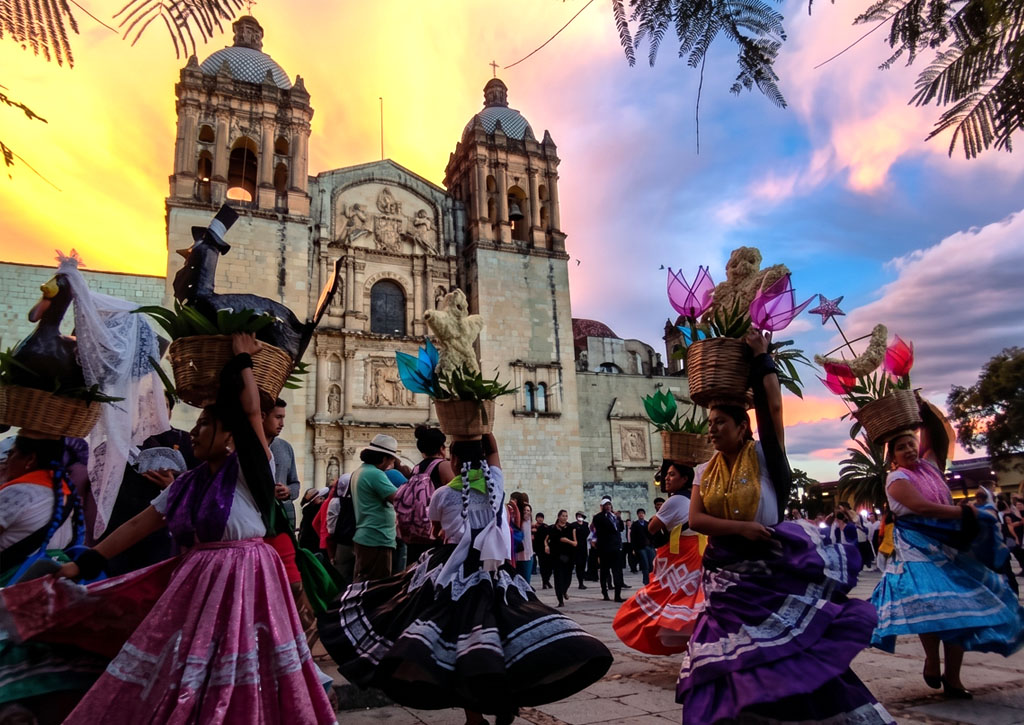
The cultural event known as La Guelaguetza in Merida will return to the Yucatan capital on July 5, with the parking lot of the Kukulcan Stadium serving as the venue, according to Alberto Vazquez Sanchez, the creator and director of this initiative. This Oaxacan festival celebrates 18 years of being held in the city, having established itself as a space for coexistence between the people of Oaxaca and Yucatan through artistic, musical, and traditional expressions from both southern states.
The Roots of the Guelaguetza Festival
Before describing this particular event, it is useful to understand what the Guelaguetza is and why traveling versions of it have become so popular across Mexico.
The Guelaguetza is the most important cultural festival of the state of Oaxaca. The word comes from the Zapotec language, from the term guendalizaa, which means to cooperate or to offer. It is also known as the Festival of the Mondays of the Hill, because the heart of the celebration takes place on the Cerro del Fortin, a hill that overlooks the city of Oaxaca. The celebration is tied to the popular devotion to the Virgin of Carmen, which is why it is held on the two Mondays closest to July 16, the feast day of that Marian devotion. In its broader meaning, the Guelaguetza represents not only cooperation but also refers to ancient times and embodies an attitude of love for one’s neighbor, a willingness to share nature, life, customs, and traditions.
The festival features folkloric presentations from the eight regions that make up the state of Oaxaca. These regions include the Central Valleys, the Sierra Juarez, La Canada, Tuxtepec, La Mixteca, the Coast, and the Isthmus of Tehuantepec. Each region presents its own traditional dances, music, and attire, creating a colorful and diverse showcase of Oaxacan culture. The modern version of the Guelaguetza was institutionalized in 1932 as a racial homage, marking the beginning of a tradition that, while modern in its formal organization, preserves deep pre-Hispanic roots.
Why Traveling Guelaguetzas Thrive Across Mexico
The popularity of traveling Guelaguetzas across Mexico stems from several factors. First, there is a large diaspora of Oaxacans living in other parts of the country. In Yucatan alone, around three thousand Oaxacan families have made their home, with some members of the organizing group having lived in Yucatan for more than forty years. These communities maintain strong ties to their home state and seek ways to preserve and share their cultural traditions with their new communities. The traveling Guelaguetza serves as a vital link between Oaxacans living away from home and their cultural roots.
Second, the Guelaguetza has become a symbol of Mexican cultural pride that resonates far beyond Oaxaca’s borders. The festival is considered one of the largest folkloric celebrations in the Americas, drawing thousands of people each year. Its music, dance, food, and crafts represent a rich indigenous heritage that many Mexicans, regardless of their own regional origins, feel connected to. The traveling versions allow people in other states to experience this cultural wealth without making the journey to Oaxaca itself.
Third, the traveling Guelaguetza functions as a cultural exchange that benefits both the host community and the Oaxacan participants. As Alberto Vazquez Sanchez has stated, the goal is cultural exchange and mutual help between Oaxaca and Yucatan. The events bring together Oaxacans and locals in a shared celebration, fostering understanding and appreciation between different regional cultures within Mexico. This exchange is not just about entertainment; it is about building bridges between communities and preserving traditions that might otherwise be lost among diaspora populations.
What Visitors Will Find at the Merida Event
The Merida event itself is a prime example of this traveling tradition. The 2025 edition featured fifty-five exhibitors and was held in Santa Ana Park, running from March 7 to March 30. The 2026 edition, which will take place on July 5 at the Kukulcan Stadium parking lot, continues this tradition of bringing Oaxacan culture to Yucatan. The event showcases products from all eight regions of Oaxaca, including handicrafts such as black clay items, alebrijes, traditional clothing, tablecloths, and textiles embroidered by hand. Musical performances feature traditional pieces like La Sandunga, La Llorona, and Dios nunca muere.
The gastronomic offerings are a major attraction. Visitors can sample traditional Oaxacan dishes, including mole, quesillo, tlayudas, and tamales wrapped in banana leaves. Other regional products available include mezcal, grasshoppers, bread, sweets, and filigree jewelry. The event aims to bring the culinary and artistic offerings of Oaxaca closer to the families of Merida.
The 2025 edition also introduced new elements, including for the first time a Oaxacan mass held at the Santa Ana parish, featuring Oaxacan songs and following the traditions of that state. The event also paid tribute to Yucatecan musician Renan Lopez Quintal, demonstrating the spirit of cultural exchange that defines these gatherings. Organizers noted that the event draws multiple generations of families, with young people attending alongside grandparents, making it a truly intergenerational cultural experience.
A Growing Tradition and Future Plans
The longevity of the event in Merida, now entering its eighteenth year, speaks to its success and the strong connection between the Oaxacan and Yucatecan communities. As Vazquez Sanchez noted, Merida always receives them well. The event has grown over time, with the 2025 edition lasting approximately twenty-five days, longer than in previous years. There are also plans to take the event to other locations such as Playa del Carmen, Cozumel, and Campeche, though organizers are still evaluating these possibilities due to a packed schedule.