

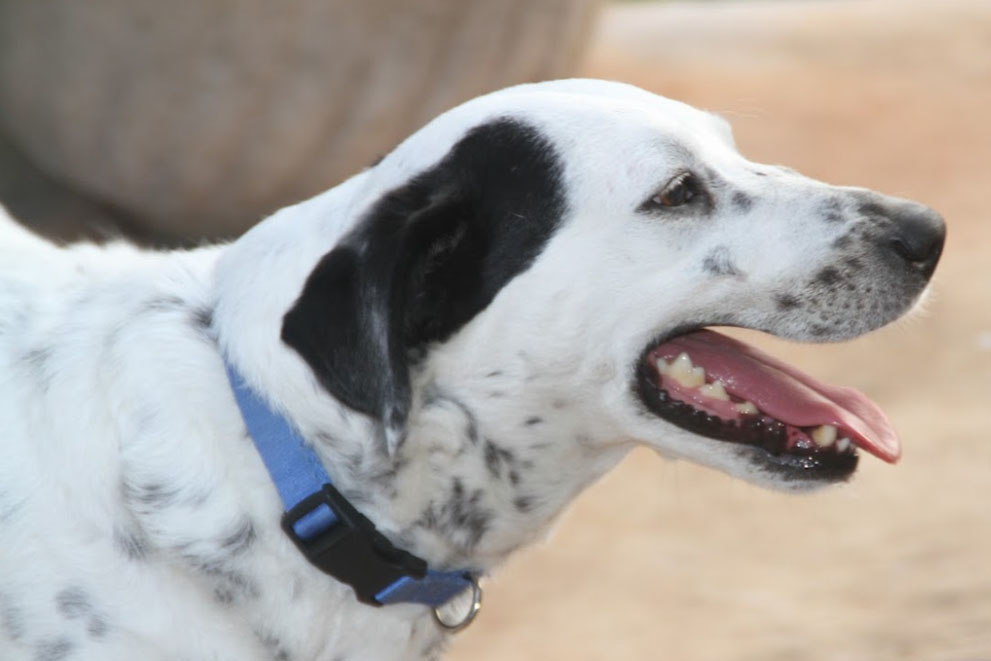
Mérida’s municipal government is preparing to update its regulations regarding dogs due to widespread non-compliance by dog owners. This initiative follows recent incidents, including an attack on a small dog and a person by a Pitbull at the Gran Parque La Plancha.
Raúl Escalante Aguilar, Director of the Environment and Animal Welfare Unit, stated that current rules are frequently ignored. A primary violation is owners allowing dogs to roam off-leash in public parks. He noted that feces and urine left in recreational areas can generate bacteria hazardous to human health.
Another common violation involves dogs classified as aggressive breeds being walked without muzzles. According to Escalante Aguilar, many of these owners also lack training in proper animal handling.
Existing Rules and Enforcement
Escalante Aguilar emphasized that current regulations require owners to keep pets on a leash while in public spaces. For dogs with aggressive tendencies, the use of a muzzle is mandatory. Owners are expected to know their dog’s behavior and avoid crowded areas or use designated “pet friendly” zones if the animal reacts poorly to others.
The city is reviewing these rules to address the reality of different aggression levels among breeds. Future updates may further define restrictions for public spaces, commercial plazas, and restaurants.
Enforcement currently falls under administrative penalties. The municipal government does not receive dog bite reports directly; those go to the state Secretary of Health. Complex bite cases are referred to the State Attorney General’s Office. The Mérida city government handles only administrative fines for violations such as failing to use a leash or muzzle. Severe cases may result in the animal being turned over to the Animal Protection Unit.
Comparison with the Rest of Mexico
The situation in Mérida reflects a broader national challenge. In Mexico, animal welfare laws vary significantly by state and municipality. While Mexico City has its own comprehensive Civil Protection and Animal Welfare laws, many other regions rely on similar models of local “responsible ownership” ordinances.
Nationally, enforcement is generally weak. Most cities face the same problems seen in Mérida: owners ignoring leash laws, failing to pick up waste, and walking aggressive dogs without muzzles. Data from the National Institute of Statistics and Geography (INEGI) indicates that Mexico has a high population of domestic animals, and municipalities across the country struggle to enforce humane treatment and public safety standards.
Proposed Solutions and Owner Responsibility
Escalante Aguilar stressed that creating more “pet-friendly” spaces—currently increasing in Mérida’s parks, malls, and restaurants—requires strict regulation. He warned that owners often release their dogs without understanding the specific rules of these areas.
He recommends that owners with difficult or aggressive dogs use muzzles, short leashes, or simply avoid crowded places. He also advised consulting a trainer for proper discipline and positive handling techniques. The Municipal Animal Care Center offers free training and sterilization for adopted dogs.
Stray Dogs and Public Safety Risks
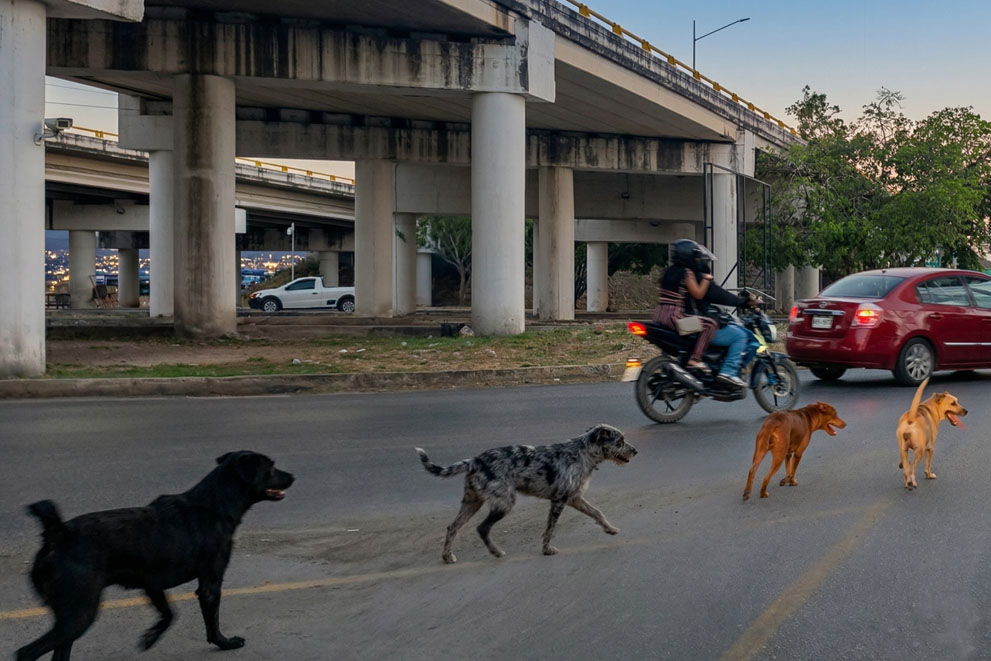
Beyond the issue of irresponsible ownership of domestic pets, Yucatán, like the rest of Mexico, faces a parallel problem: a large population of stray dogs. Nationwide estimates place the number of street dogs between 23 and 25 million, positioning Mexico and Brazil as the Latin American countries with the highest number of ownerless animals wandering public spaces daily. This situation is not merely an animal welfare issue; it constitutes a significant public health problem.