

Filling a vacation home pool is a holiday ritual for thousands of families who descend on Progreso each spring — but the cumulative effect of more than 4,000 of them drawing from the same municipal water system at once is turning into a real problem for year-round residents.
The pool count comes from Zofemat, the federal agency that oversees coastal zones, which estimates that the figure includes pools at beach properties, hotels, and private homes across the municipality. The Progreso public works department adds that more than 400 construction permits for new pools have been issued since 2018 alone. When a 2019 report estimated the town had roughly 2,000 pools, the number was already straining capacity. It has since doubled.
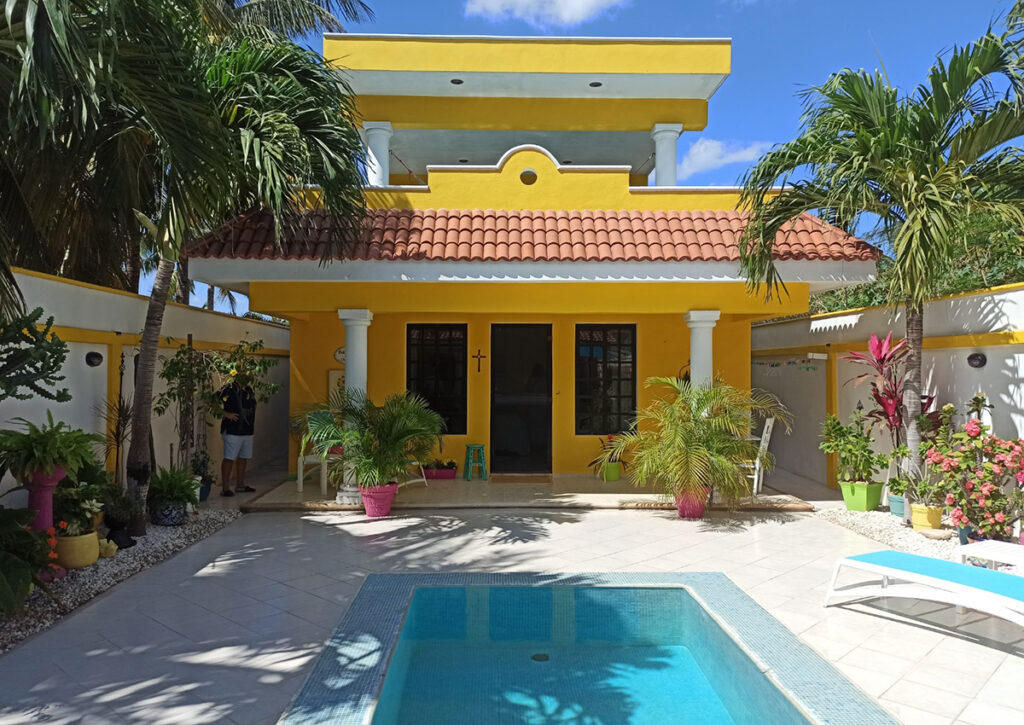
Bjorn Rodríguez Estrada, director of Smapap — Progreso’s municipal water authority — confirmed this week that most of those pools are filled directly from the public water network. The result is a drop in pressure across the system, hitting hardest in the early morning hours and on weekends, when beach house occupancy peaks. His advice to residents: keep a reserve of water on hand and don’t count on steady supply pressure during the holiday period.
The deeper problem is math. During Semana Santa and the summer season, Rodríguez Estrada said, water demand in the port roughly triples as the population surges. Add the pool-filling on top of that, and the system — even running at full capacity — simply can’t keep up. Full capacity, in other words, is not enough.
Progreso is bracing for close to 100,000 visitors this holiday period, according to local tourism and commerce figures, filling the city’s roughly 50 hotels and a large private rental market. The city’s permanent population is around 40,000.
This is not a new crisis. Progreso has struggled with holiday-season water pressure for years, with pool-filling by vacation homeowners a recurring complaint from year-round residents. The municipal water system serves more than 26,800 connections across Progreso and its surrounding communities. Infrastructure improvements have been incremental: just days before Semana Santa, Mayor Erik Rihani González delivered four new service vehicles to Smapap — the first fleet additions in more than 15 years, according to the city government. The new trucks are meant to speed up maintenance and leak response, though they address operations rather than supply capacity.
The broader water picture on the Yucatán Peninsula adds context. Unlike most of Mexico, Yucatán has no significant rivers or lakes; its communities depend almost entirely on underground aquifers. Scientists have warned for years that rising demand and coastal development threaten to allow saltwater intrusion into those aquifers over the long term. For now, the immediate pressure — in every sense — is seasonal and man-made.
Fast Facts
- Zofemat estimates Progreso has approximately 4,000 pools, including those at beach properties, hotels, and private homes
- Progreso’s public works department has issued more than 400 pool construction permits since 2018
- Most pools in Progreso are filled directly from the municipal water network, according to Smapap
- Water pressure drops are most acute in the early morning hours and on weekends during peak occupancy
- Smapap manages more than 26,800 water connections across the municipality and its surrounding communities
- The city expects close to 100,000 visitors during Semana Santa, more than double the permanent population
- Smapap director Bjorn Rodríguez Estrada advises residents to store water reserves during the holiday period
Sources: PorEsto, ProgresoHoy, El Grillo de Yucatán, Yucatán al Instante, Novedades Yucatán