

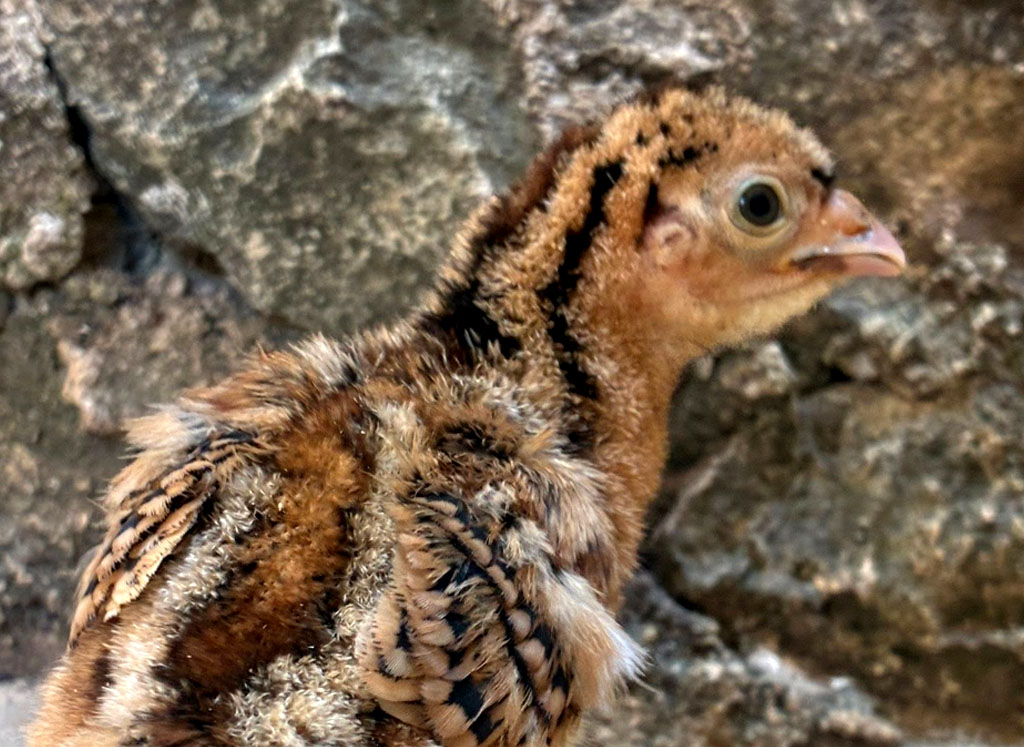
The Tizimín Zoo has announced via its social networks the birth of a great curassow chick, a rare and vulnerable bird species known locally as the hocofaisán. The birth marks a significant moment for conservation efforts in the region and comes as the zoo works to rehabilitate its public image following its closure amid allegations of animal abuse.
A Vulnerable Species Finds New Life
The great curassow, scientifically named Crax rubra, is a large, pheasant-like bird that inhabits the Neotropical rainforests from eastern Mexico through Central America to western Colombia and northwestern Ecuador. In Mexico, the species is listed as threatened. The International Union for Conservation of Nature (IUCN) classifies the great curassow as vulnerable, with a global population estimated at only 40,000 to 50,000 mature individuals.
The species faces a rapid population decline due to two main threats. Hunting pressure for meat and sport has significantly reduced numbers across its range. Habitat loss and fragmentation from deforestation have also contributed to the decline, with over 12 percent of forest areas lost throughout its range during the past 25 years. The distinctive subspecies found on Cozumel Island, Crax rubra griscomi, is classified as critically endangered, with an estimated 300 individuals remaining.
The Hocofaisán in Yucatecan Culture
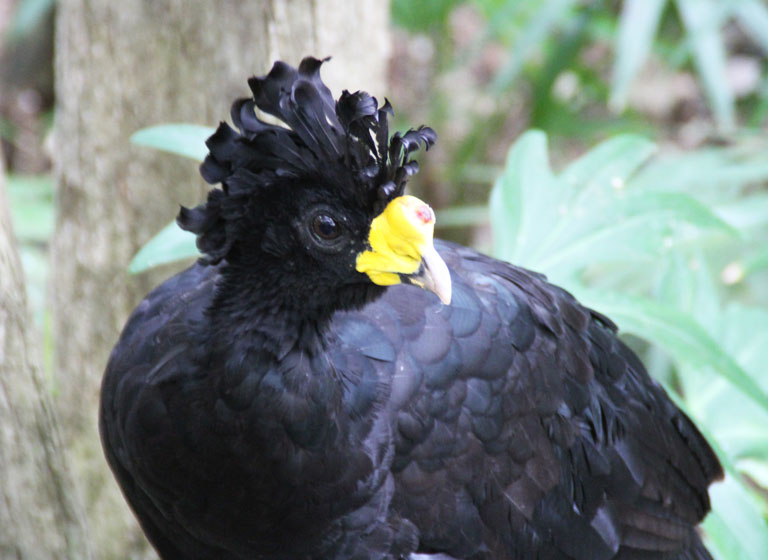
Hocofaisán is a name that reflects its local cultural significance. Male great curassows are easily identifiable by their black plumage, curly crests, and yellow beaks. Females display three color morphs: barred, rufous, and black variations. The birds form small groups and forage mainly on the ground for fruits and arthropods, though they roost and nest in trees.
The species is monogamous, with pairs forming lasting bonds. Females typically lay two eggs in a nest built by the male, with an incubation period of approximately 30 days. The newly born chick at the Tizimín Zoo represents a significant success for captive breeding efforts.
Recent Controversies at the Tizimín Zoo
The announcement of the chick’s birth comes at a delicate time for the Tizimín Zoo. The facility was previously closed following allegations of animal abuse, though specific details of the closure and the allegations have not been fully detailed in public reports. The zoo has since reopened and appears to be taking steps to demonstrate improved animal care standards.
A Step Toward Rehabilitation
The successful birth of the great curassow chick represents more than a conservation victory for the Tizimín Zoo; it offers an opportunity to rebuild public trust. The careful breeding of a vulnerable species requires proper habitat conditions, appropriate nutrition, and experienced animal care staff. That the zoo has managed to produce offspring suggests that the animals’ conditions have improved.
The chick’s birth also highlights the potential role that zoos can play in conserving threatened species. With wild populations continuing to decline due to hunting and deforestation, captive breeding programs have become increasingly important for maintaining genetic diversity and potentially reintroducing birds to protected areas.