

Construction and testing are progressing on a new freight rail line connecting the Maya Train network to the port of Progreso via the municipality of Umán in Yucatán. The branch line, approximately 50 kilometers long, is designed specifically for cargo operations.
While no firm date has been set for the inauguration of the cargo line, federal authorities have said this will most likely take place during the last quarter of 2027.
Expected Impact on Highway Truck Traffic
The introduction of freight rail service is expected to reduce cargo truck traffic on the Mérida-Progreso highway and other regional roads. Government officials have stated that the cargo line will decongest highways and lower transportation costs. Currently, most goods moving to and from the port travel by truck, contributing to congestion, road wear, and higher accident rates.
The new rail link allows shipping companies to move containers and bulk freight directly from inland areas to the port without relying on trucks for the final leg. The Mexican government aims to double the amount of cargo moved by rail for distances over 400 kilometers under its current infrastructure plan.
Construction and Testing Status
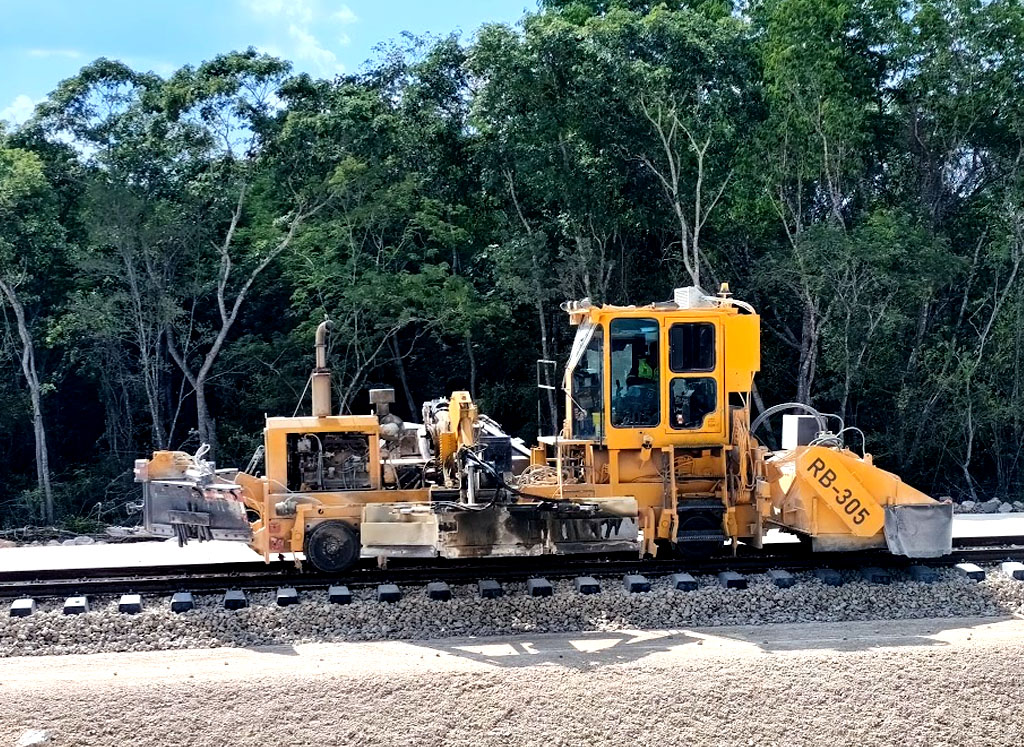
Mexican President Claudia Sheinbaum formally launched construction of the Tren Maya cargo infrastructure on April 26, 2025, in Yucatán. The project is being executed by the Secretariat of National Defense, specifically the Felipe Ángeles Engineer Corps, with a planned duration of two years and six months. The work includes building ten multimodal cargo complexes with five intermodal terminals in Poxilá, Progreso, Cancún, Palenque, and Chetumal. For the Mérida-Progreso corridor specifically, the project involves constructing and rehabilitating 70 kilometers of track, including 40 kilometers of new construction and 30 kilometers of rehabilitated line.
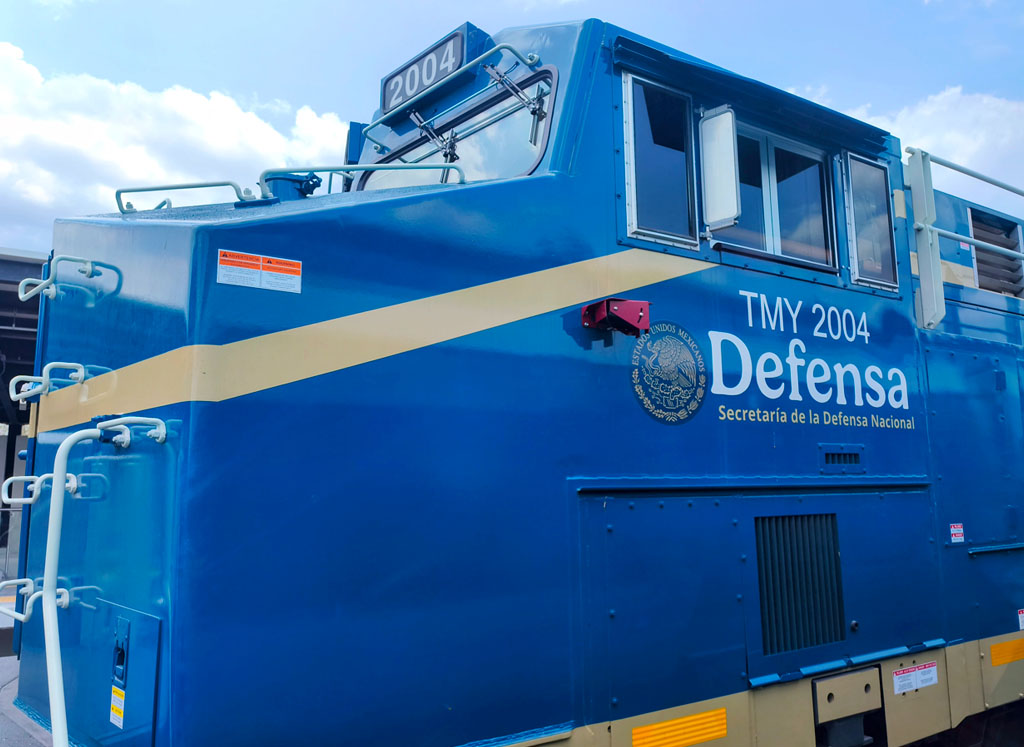
Testing has already begun on certain routes. In March 2026, dynamic testing of freight operations commenced using Wabtec ES44AC diesel locomotives rated at 4,500 horsepower. These heavy freight engines, identified as TMY 2004, 2005, and 2006, have been deployed for coupling maneuvers and initial positioning of intermodal container platforms. Test runs are being conducted at night on the section leading to Tenosique. The freight trains are equipped with the European Rail Traffic Management System, allowing them to operate alongside existing passenger infrastructure under common safety standards.
Upgrades to Port of Progreso
Progreso is Yucatán’s most important maritime gateway, handling a significant portion of the region’s imports and exports. The port’s deep-water capabilities make it well-suited to handling large vessels, particularly in the automotive, agricultural, and manufacturing sectors. Progreso is already home to the world’s longest pier and serves as the primary maritime hub on the Yucatán Peninsula.
The port is undergoing simultaneous expansion and modernization. The Secretariat of the Navy is executing a 12 billion peso expansion project that will enlarge the port platform from 32 hectares to 72 hectares and widen the access channel from 150 meters to 180 meters to accommodate larger cargo ships and cruise liners. This investment will position Progreso as a more competitive hub for national and international trade.
Connection to Larger Rail Network
The cargo line is designed to integrate with Mexico’s broader rail system through a key connection at Palenque, Chiapas. The Palenque multimodal terminal will serve as the transfer point linking the Tren Maya network with the Interoceanic Corridor of the Isthmus of Tehuantepec. This corridor connects the Gulf of Mexico port of Coatzacoalcos with the Pacific port of Salina Cruz, creating a rail link between the two oceans. President Sheinbaum has stated that the cargo train will enable connectivity to the Interoceanic Corridor and other strategic railways, supporting the national recovery of both passenger and freight rail transport.
The broader network plan also includes a major freight terminal at Cancún with a 261-hectare facility, including warehouses, customs inspection areas, and a fuel storage and distribution system that will supply jet fuel via pipeline to Cancún International Airport. The entire cargo infrastructure rollout employs over 2,000 workers across eight active construction fronts.