

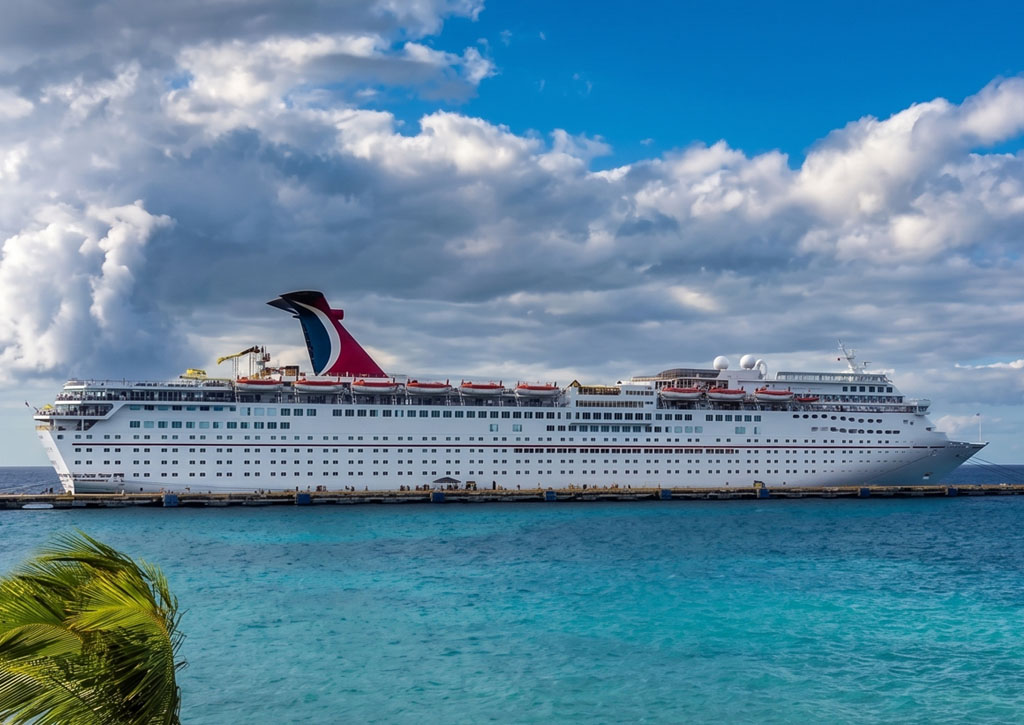
Fresh off a hard-won victory against a megaproject in Mahahual, environmental activists and residents of Cozumel are now fighting a new battle against the same cruise giant.
Royal Caribbean, which recently saw its controversial Perfect Day Mexico project rejected by the federal government, is now under intense scrutiny over its Royal Beach Club Cozumel. This US$75 million development, critics say, threatens to destroy protected mangrove forests and privatize one of the island’s last remaining public beaches.
The allegations surfaced as activists and civil organizations accused Royal Caribbean of trying to build a new access road through a dense mangrove ecosystem.
According to a post on the “No a la privatización de las playas” social media page, staff from the Miami-based cruise line have already been observed taking topographic measurements near the construction site.
The activists warned that this new path would be built over an area entirely covered by mangroves. This vital coastal ecosystem serves as a nursery for many marine species and a natural barrier against storms.
They described the company’s actions as a unilateral move, stating firmly that the cruise line does not have a permit for this work, as the area is protected mangrove habitat. In a call to action, the activists urged local Cozumel residents to help monitor and document any damage, asking them to photograph the mangroves and record any workers they see in the area.
The project at the center of this controversy is the Royal Beach Club Cozumel. Announced in 2024, located on the island’s southern coast.
According to the company’s Environmental Impact Statement, the beach club would accommodate 4,000 tourists daily. It would include restaurants, swimming pools, restrooms, direct beach access, and extensive infrastructure.
However, the environmental impact statement also reportedly admits the potential for permanent, irreversible damage to the local ecosystem, including the loss of coastal vegetation and harm to protected mangrove species. This has done little to ease residents’ fears, who argue that such mitigation promises are inadequate for such a fragile and critical ecosystem.
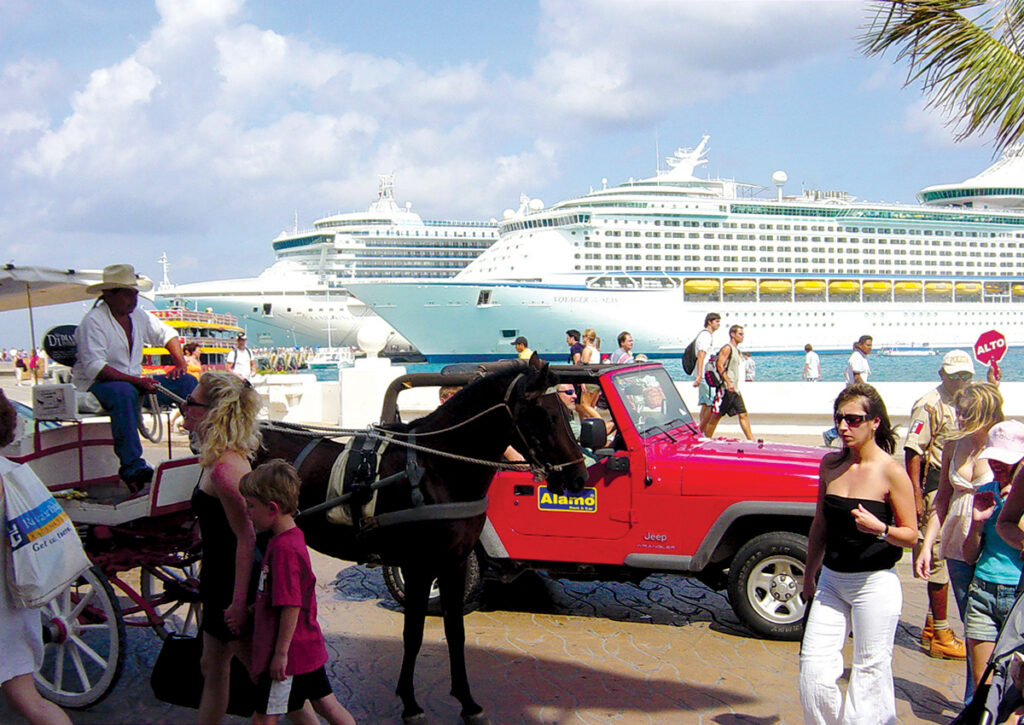
The recent, notable cancellation of a similar Royal Caribbean project in Mahahual has intensified the fight in Cozumel. For months, activists fought against the Perfect Day Mexico waterpark, which the company planned to build on the Costa Maya. The project, capable of bringing in up to 20,000 cruise passengers daily, sparked national outrage over its potential to destroy mangroves, damage the delicate Mesoamerican Reef, and overwhelm a small fishing community with waste and tourism.
Ultimately, the federal government sided with the activists. In a decisive press conference on May 19, the Secretary of Environment and Natural Resources, Alicia Bárcena, announced the project would not be approved. She clarified that although the company sought to withdraw its application, Semarnat would not authorize the withdrawal. President Claudia Sheinbaum supported this decision, emphasizing that her administration would not take actions that would disturb the ecological balance of Mahahual.
The cancellation revealed a sharp political divide. While the federal government celebrated the victory for environmental conservation, it created tension with the Quintana Roo state government, led by Governor Mara Lezama.
Lezama had actively promoted the Perfect Day project as a major economic boost for the region, even presenting it to Sheinbaum as a development initiative with over US$260,000 in investment.
The federal government’s rejection was seen as a political setback for the governor. Following the controversy, Sheinbaum announced a special decree to protect Mahahual, shifting the region’s development focus from mass tourism to community-led ecotourism.
Back in Cozumel, the lessons from Mahahual haven’t gone unnoticed by protesters. They have launched their own petition, which has already gathered nearly 90,000 signatures. The activists are fighting not only to save the mangroves but also to preserve the character of their island.
They argue that the beach club won’t boost the local economy but will instead divert business from small, family-run businesses. They see the new road through the mangroves as the first step toward larger privatization plans—a model they have now proven can be stopped.