

Mérida officials are preparing a public consultation to determine whether the city’s iconic Paseo de Montejo should keep its current bike lanes and pedestrian spaces or return to a vehicle-centered design.
The consultation, announced by municipal authorities, will let residents decide the fate of controversial modifications made in recent years. Those changes reduced vehicle lanes to create protected bike paths and wider sidewalks—improvements that some now want reversed.
The decision carries significant implications for one of Mexico’s most architecturally important streets, where debates about urban planning have divided residents, business owners, and transportation advocates.
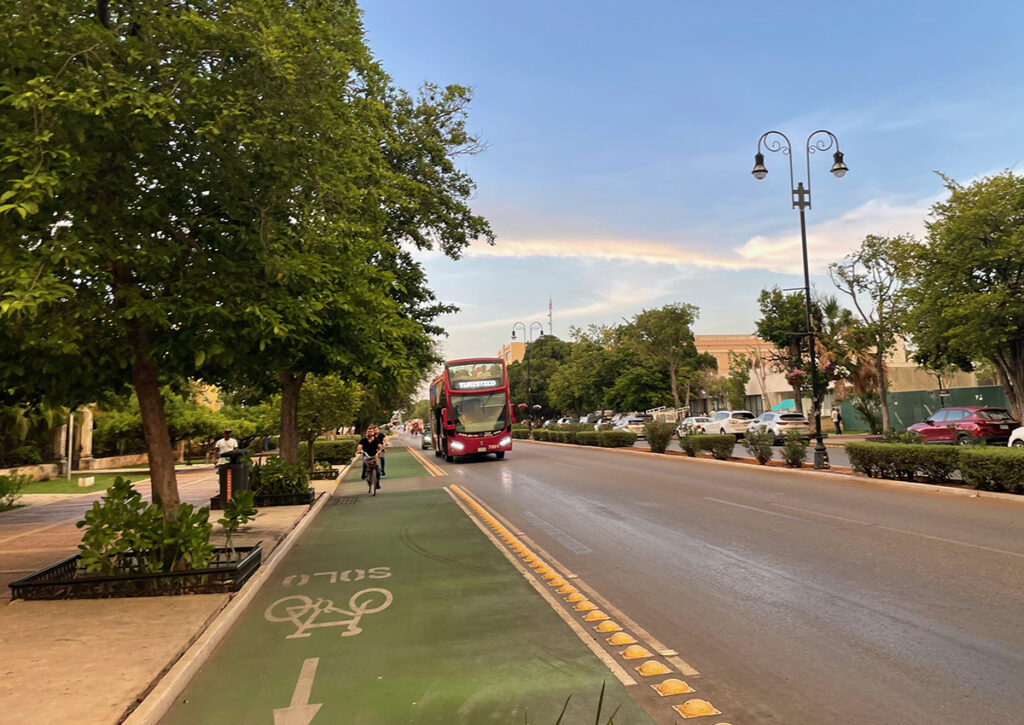
What’s at Stake
City officials are considering removing the protected bike lanes and restoring the boulevard to its previous configuration with more space for cars. The current layout eliminated one vehicle lane in each direction, replacing it with cycling infrastructure and expanded pedestrian areas.
Supporters of the bike lanes argue they align with modern urban planning principles prioritizing sustainable transportation over private vehicles. They point to increased foot traffic benefiting businesses and improved air quality along the corridor.
Critics want the original design restored, claiming the modifications created traffic congestion in surrounding neighborhoods. They argue the city should prioritize vehicle flow on this major north-south artery connecting central Mérida with northern residential areas.
A Boulevard With History
Paseo de Montejo has served as Mérida’s grand promenade since the late 19th century, when wealthy henequén barons built elaborate mansions along its tree-lined path. The avenue stretches roughly 3 miles (5 kilometers) from the city center northward, showcasing French-inspired architecture from Yucatán’s gilded age.
Today, the boulevard houses museums, cultural centers, upscale restaurants, and some of the city’s most valuable real estate.
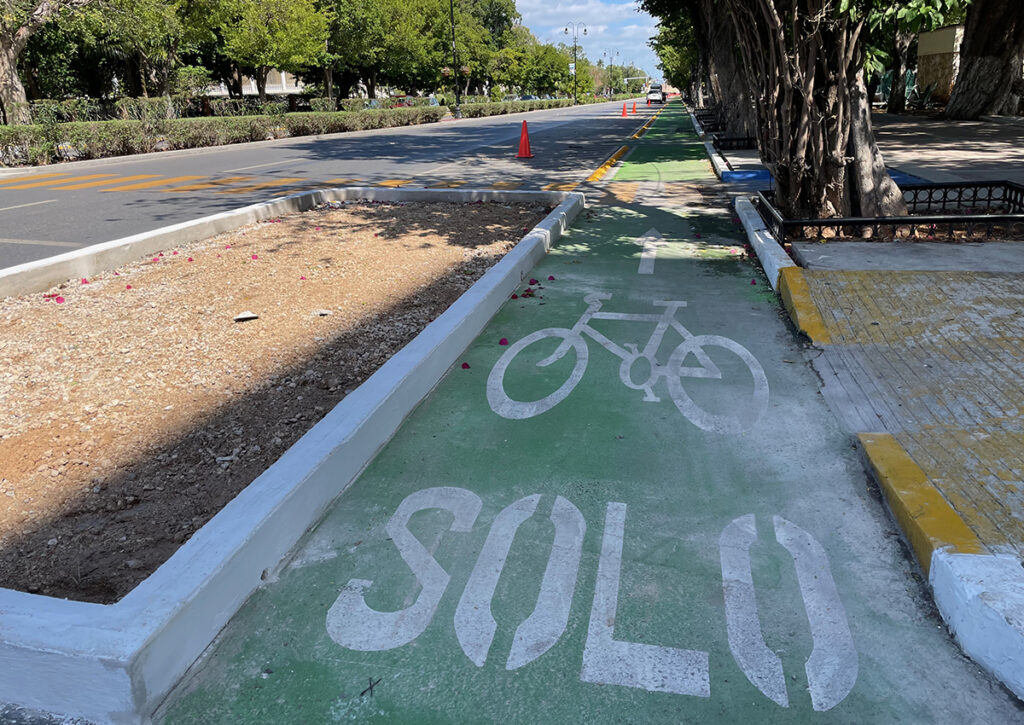
Divided Opinions
Business owners and residents report mixed results from the current design. Some merchants say enhanced walkability brings more customers, while others claim reduced parking and traffic slowdowns hurt their operations.
Those opposing the bike lanes contend the modifications simply pushed congestion onto parallel streets like Calle 60 and the Circuito Colonias, where residential neighborhoods now absorb diverted traffic. They argue the city failed to implement comprehensive transportation alternatives before restricting vehicle access.
Cycling advocates warn that removing the protected lanes would reverse progress toward sustainable urban mobility and discourage residents from using bikes for transportation.
The debate mirrors similar controversies in cities worldwide, where officials balance heritage preservation, environmental concerns, and practical transportation needs.
What’s Next
Municipal authorities haven’t announced specific dates for the consultation or detailed how public input will factor into final decisions. The process will likely include town hall meetings, surveys, and stakeholder discussions with residents, business owners, and urban planning experts.
City officials emphasized that any changes will consider the boulevard’s status as a protected heritage zone, limiting options for major structural modifications to the historic mansions and their surroundings.
The outcome could influence urban planning decisions across Mérida and other Mexican colonial cities facing similar pressures from population growth and changing transportation patterns.
Whatever residents decide, Paseo de Montejo will remain central to Mérida’s identity—the question is whether that identity prioritizes sustainable transportation or vehicle throughput.
Key Facts: Paseo de Montejo
• Main boulevard running north from Mérida’s historic center
• Approximately 5 kilometers (3 miles) long
• Built in the late 1800s during the henequén boom
• Features French-inspired mansions and monuments
• Protected heritage zone with architectural restrictions
• Current configuration includes bike lanes and expanded pedestrian areas
• Closes to vehicles on Sundays for Biciruta
• Public consultation will determine whether to restore original vehicle-focused design
Sources: La Jornada Maya, Reuters, Yucatán Magazine