

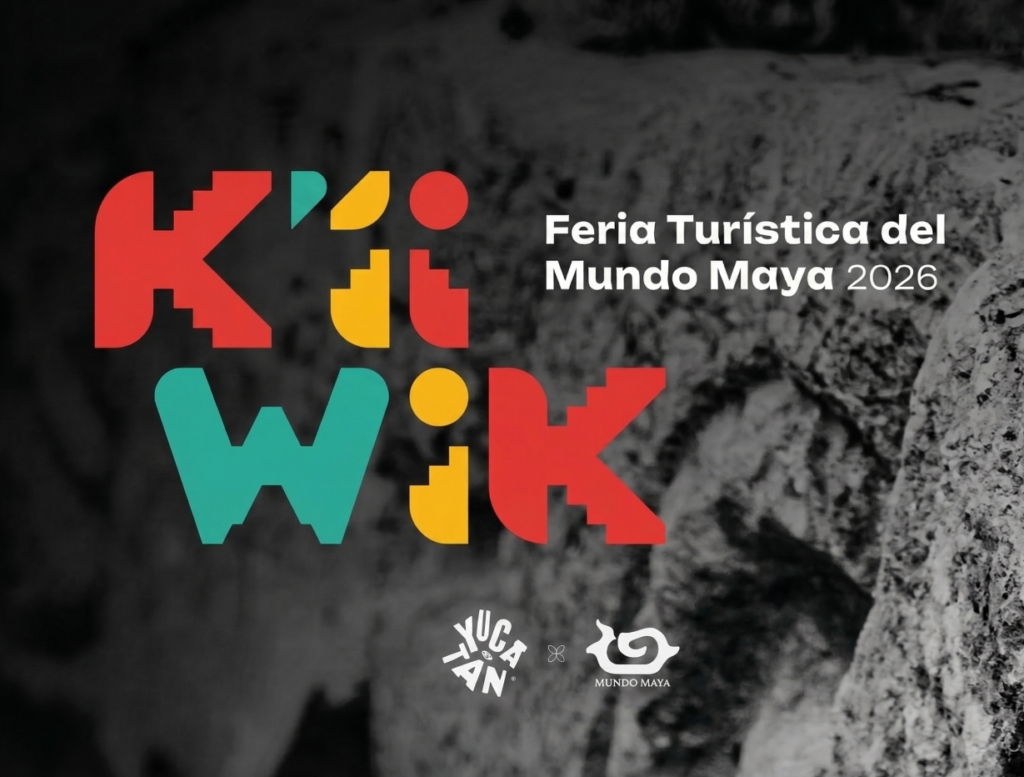
After a decade-long absence, the K’íiwik Maya World Tourism Fair is making its return to Yucatán, Mexico. The event will take place from June 2 to June 5, 2026, at the Yucatán Siglo XXI Convention Centre in Mérida. Organizers hope the expo will help boost foreign tourism to the region at a time when international visitor numbers face new challenges.
A Long-Awaited Comeback
The K’íiwik fair was once a major event for tourism professionals in the Maya region. It stopped running more than ten years ago. Now, with support from the state government and the wider Mundo Maya Organization, the expo has been revived.
Governor Joaquín Díaz Mena officially formed the organizing committee in August 2025. He described the event as a meeting point between tradition and innovation. According to state officials, the fair is part of a larger plan called the Renacimiento Maya (Maya Renaissance), which runs from 2024 to 2030.
Why the Expo Matters Now
The return of K’íiwik comes at an important time for tourism in Yucatán. Recent data shows that international travel to the region has faced difficulties.
In the last three months of 2025, tourism across southern Mexico fell by 2.3% compared to the same period the year before. A report from Mexico’s central bank, Banxico, noted that news about crime across the country and travel warnings from the United States government discouraged American tourists from visiting.
The situation has not improved in early 2026. In March, tourism businesses in Las Coloradas, Yucatán, reported cancellations from travel agencies. The cancellations came after the United States and Israel attacked Iran. The conflict created uncertainty among international travelers.
Despite these problems, Yucatán has performed better than many other parts of Mexico. The state government reported that tourism makes up about 16 percent of Yucatán’s economy. That puts Yucatán in third place among all Mexican states for tourism’s share of the local economy. International visitor numbers to Yucatán actually grew by 19.3 percent last year.
The Safety Advantage
One reason Yucatán remains attractive to tourists is its safety record. The U.S. State Department has issued “Do Not Travel” warnings for several Mexican states, including Sinaloa and Zacatecas. However, Yucatán and the neighboring state of Campeche carry no such warning.
Security analysts confirm that Yucatán is not among Mexico’s most violent regions. According to the Armed Conflict Location and Event Data group, cartels generally keep a lower profile in tourism areas to protect their business interests. This makes Yucatán a safer choice for international visitors compared to other parts of the country.
At the same time, recent cartel violence in Jalisco state, including the popular resort city of Puerto Vallarta, has made headlines around the world. These events hurt Mexico’s image as a tourist destination, even in safe areas like Yucatán. The K’íiwik expo offers a chance to remind travelers that Yucatán remains open and welcoming.
More Than Just Business Networking
The K’íiwik fair is not only for tourism professionals. Organizers have planned a range of activities and events alongside the main expo.
Cultural Exhibitions
Artisans from across the Maya region will display traditional crafts, including textiles, ceramics, and wood carvings. Many of these skills have been passed down through generations. Visitors can watch demonstrations and buy goods directly from the makers.
Food and Drink
Traditional Maya cuisine will be a major focus. Each participating region will offer tastings of local dishes. The food uses ancient cooking techniques adapted for modern tastes.
Music and Dance
Performers from Mexico, Belize, Guatemala, Honduras, and El Salvador will present traditional music and dance. These shows will take place throughout the four-day event.
Workshops and Talks
The expo will include educational sessions on sustainable tourism. Experts will discuss how communities can benefit from tourism while protecting their natural and cultural resources.
A Regional Gathering
This broad participation reflects the shared heritage of the Maya people, whose territory spans national borders. The event is organized under the Mundo Maya Organization, a cooperative body that promotes the region as a single tourism destination. Mexico will take over the presidency of this organization in 2026, the same year as the fair .
Supporting Infrastructure
Yucatán has been preparing for more visitors. The state now has nearly 17,500 hotel rooms, with more under construction. Private investment in tourism projects has reached over 9.2 billion pesos, placing Yucatán second in Mexico for the number of new tourism developments.
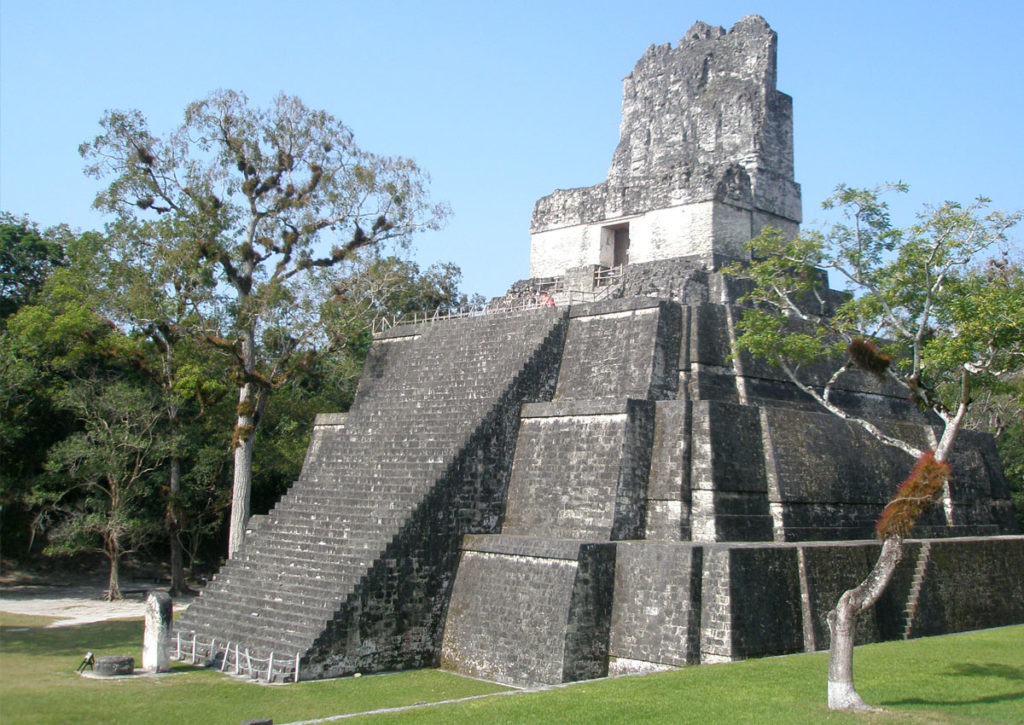
The Tren Maya, a new passenger train, also improves access to the region. Five train stations in Yucatán connect visitors to archaeological sites, colonial cities, and natural reserves . The port of Progreso is also being expanded to welcome more cruise ships.
Looking Ahead
The K’íiwik fair returns at a difficult moment for Mexican tourism. International conflicts and concerns about safety have made some travelers think twice about visiting the country. But Yucatán offers a safer alternative to other regions, and its tourism industry continues to grow.
For four days in June, Mérida will become the capital of the Maya world. Tourism professionals will make deals. Artisans will sell their work. Musicians and dancers will perform. And visitors will get a taste of a culture that has survived for thousands of years.
As Governor Díaz Mena said when announcing the fair, the goal is to create tourism that benefits local communities while preserving the environment and Maya identity. Whether K’íiwik can achieve that goal—and help reverse the decline in foreign tourism—remains to be seen. But after ten years away, the expo’s return is a sign that Yucatán is ready to welcome the world back.