


A pack of dogs breached the walls of Mérida’s historic Centenario Zoo, attacking and killing six captive animals.
The attack, which last week claimed the lives of two deer and four sheep, has raised urgent questions about zoo security, the management of stray and feral dog populations in the city, and the responsibilities of pet owners in surrounding neighborhoods.
The incident unfolded in the early morning hours, when the zoo was closed to the public, and only security personnel were present.
According to the Mérida City Council, the pack of dogs gained entry by digging underneath a section of the zoo’s outer perimeter chain-link fence.
Once inside, the animals made their way to the wildlife enclosure zone where vulnerable herbivores (including deer and sheep) were housed. The attack was not discovered until the change of the security guard shift, when personnel conducting their routine supervisory rounds observed the dogs on the facility’s grounds.
By the time the guards intervened and the dogs fled the scene, the damage had already been done: two deer and four sheep had sustained severe injuries that ultimately proved fatal.
In the immediate aftermath of the attack, zoo personnel moved quickly to secure the area and reinforce the compromised sections of the perimeter fence.
Emergency maintenance crews were dispatched to repair the damaged fencing and began installing concrete foundations along the lower sections to prevent future attempts at digging. Surveillance rounds at the zoo were also doubled, particularly at night, to prevent a recurrence of such a breach.
The response from municipal authorities was swift and multifaceted. The Mérida City Council, led by Mayor Cecilia Patrón Laviada, publicly addressed the incident during her weekly press conference on Monday. Patrón Laviada confirmed that a joint operation involving the Municipal Environment and Animal Welfare Unit (Umaba) and the Directorate of Municipal Public Services had been launched to locate and capture the dogs responsible for the attack.
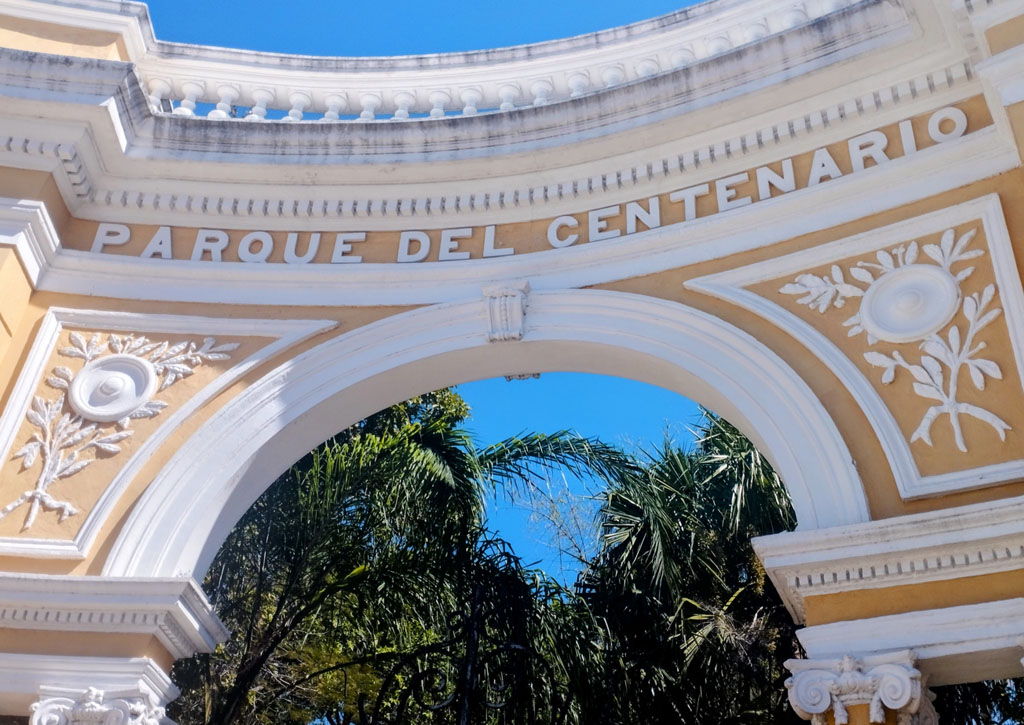
As of her Monday briefing, four of the estimated eight dogs seen loitering in the area had been captured. The captured animals were placed under observation at the Municipal Animal Care Center while authorities continued their search for the remaining members of the pack.
The investigation into how this pack came to be roaming the streets of Mérida and how it managed to penetrate the zoo’s defenses revealed a more complex and troubling picture than initially assumed.
While early reports described the attackers as stray dogs, later investigations uncovered that this was not the case.
Some of the dogs identified as participants in the attack were, in fact, pets belonging to families living in nearby homes. These animals, authorities explained, would spend their days at home with their families but would escape at night by jumping over walls or slipping through gaps in property barriers.
Once outside, they would join other dogs roaming the streets, forming packs and gradually developing feral behaviors that made them more aggressive and dangerous. Escalante emphasized that this pattern of nocturnal wandering, particularly among unsterilized animals, was a significant contributing factor to the development of these feral behaviors.
In addition to private homes, authorities also identified an abandoned property in the zone where some of the dogs had been taking shelter.
The question of what will happen to the four captured dogs has become a subject of considerable public interest and debate. Escalante has made it clear that the animals will not be summarily euthanized. Instead, municipal regulations establish a process that will unfold over approximately 10 days, during which a Permanent Committee of Veterinarians will evaluate the animals’ health and behavior.
The attack has also prompted a broader conversation about the management of stray and feral animal populations in Mérida. This is particularly true after other recent high-profile attacks by dogs at other parks in the city, including La Plancha.