

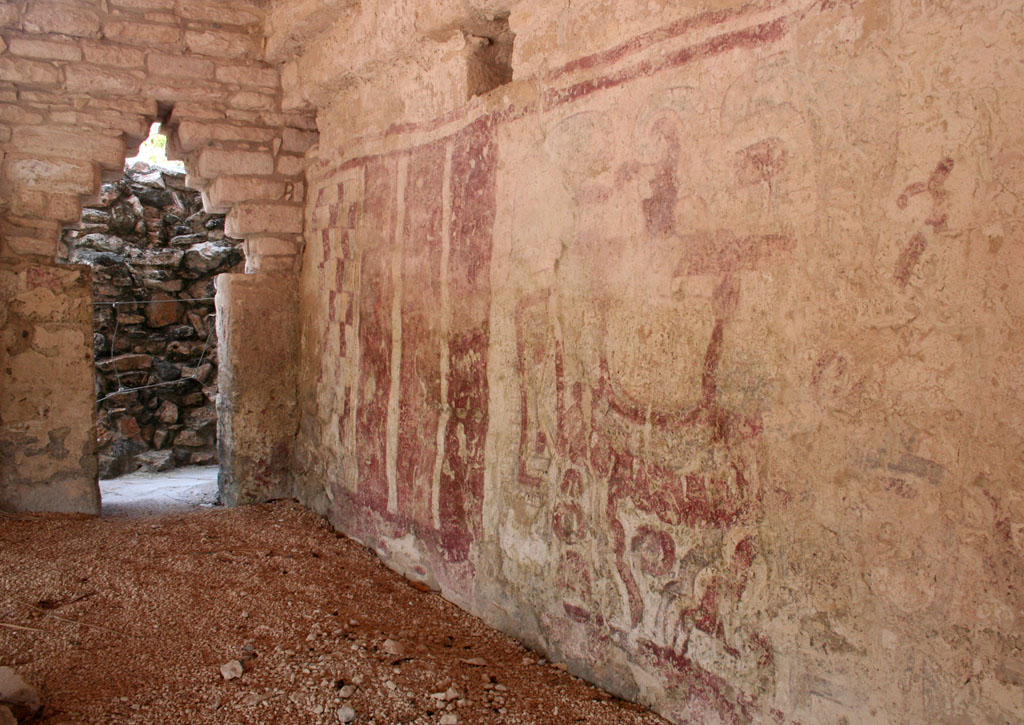
The Xel Há archaeological zone, a significant Maya site located on the eastern coast of Quintana Roo, has officially reopened to the public.
The National Institute of Anthropology and History, known as INAH, announced that the site began welcoming visitors again on Monday, July 6. This reopening marks a major milestone for the state of Quintana Roo, as it completes a large-scale restoration effort that touched eleven ancient Maya sites across the region.
Location and Distinction from the Theme Park
The Xel Há archaeological zone is situated in the municipality of Tulum, Quintana Roo. Travelers need to note that this is a distinct site from the well-known Xel-Há water park.
The archaeological zone is a separate area managed by INAH, consisting of pre-Hispanic structures that offer a cultural and historical experience. It is located along Highway 307, a short distance from the entrance to the commercial park.
Reason for Closure and Duration
The site was closed to the public to facilitate comprehensive conservation and improvement work. This effort was part of the Program for the Improvement of Archaeological Zones, known by its Spanish acronym PROMEZA. This program was a federal initiative tied to the broader development surrounding the Mayan Train project.
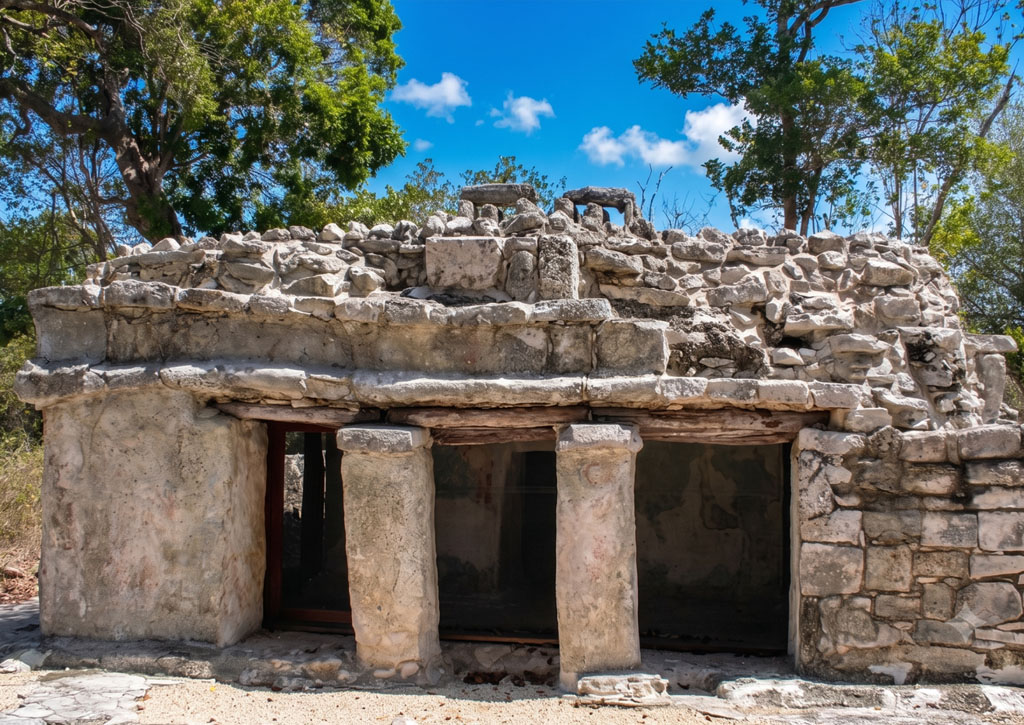
The closure began in early 2024. An official notice from INAH in February of that year stated that the Xel Há archaeological zone would remain closed until further notice due to these improvement works. The site remained closed for approximately two and a half years, with the work finally concluding in mid-2026.
The PROMEZA Restoration Project
The reopening of Xel Há signifies the completion of the PROMEZA program in Quintana Roo. The program was designed to enhance the infrastructure and visitor experience at archaeological sites along and near the Maya Train route. The Xel Há site was the last of the eleven zones in the state to be reopened under this scheme.
The restoration work at Xel Há was extensive. It focused on conserving the archaeological monuments themselves. The project also included the rehabilitation of walking trails, making them safer and more accessible for visitors. Furthermore, new and improved signage was installed throughout the site to provide better orientation and historical context for guests.
What Visitors Can See and Experience Today at Hel Há
The archaeology and history on display at Xel Há are divided into two main periods of occupation. The first was during the Early Classic period, between 250 and 600 C.E. The second and more prominent occupation occurred during the Late Postclassic period, from 1200 to 1550 C.E.
The city was abandoned following the arrival of the Spanish. Many of its inhabitants perished from new diseases brought by the Europeans, such as smallpox, yellow fever, and diphtheria. Those who survived fled inland, leaving behind the archaeological record that is now open for exploration.
Visitor Information and Hours
The entrance fee to Xel-Há is MX$210 (US$11) for adults. Mexicans and foreign residents of the country pay 50% less (MX$105 / US$5.50). On Sundays, entry is free for Mexicans citizens and permanent residents.