

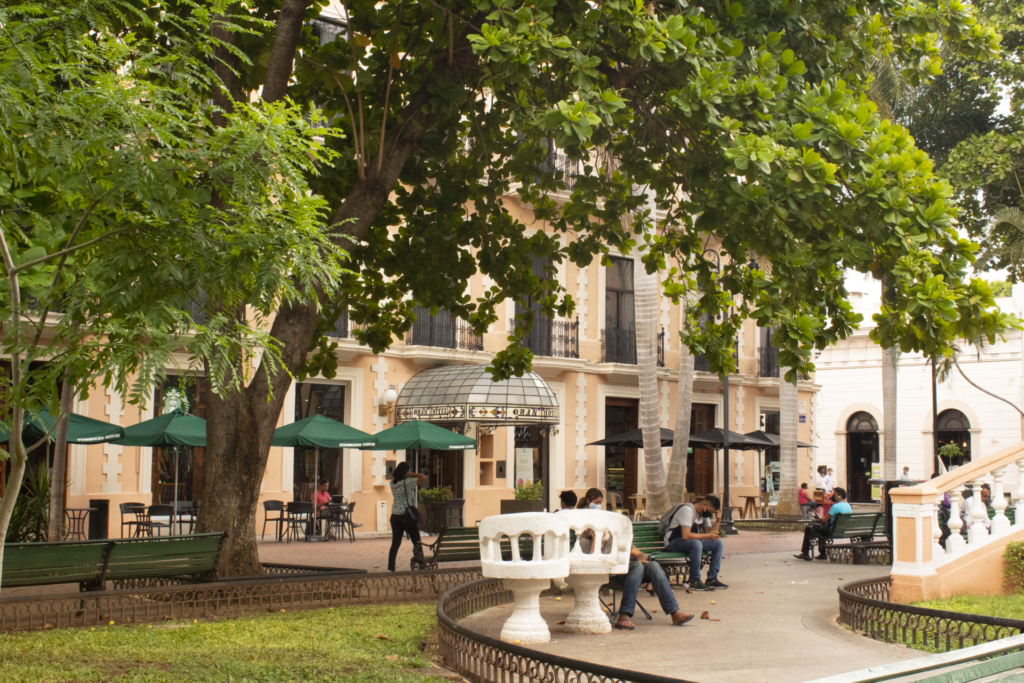
Mérida’s City Council has launched a city-wide infrastructure project to install access ramps in all municipal parks, aiming to eliminate physical barriers that have excluded people with disabilities from public spaces for decades.
The initiative follows a municipal review that demonstrates that numerous parks—some up to four decades old—lack basic accessibility features. According to the project plan, 86 parks have been identified with accessibility deficits, requiring a total of 116 new ramps. The intervention is being carried out simultaneously across the city’s four cardinal points: 22 ramps in the south, 21 in the eastern sector, and 21 in the western sector, with northern parks also included to cover the entire city.
The project seeks to bring Mérida’s public spaces into compliance with universal accessibility standards. Officials have noted that some older parks required specific design adaptations due to their original layouts, but all final structures meet required safety standards for inclusive transit.
This push for universal accessibility aligns with broader legal frameworks in Mexico and internationally. Mexican regulations specify the application of universal design principles in public spaces, though barriers in built and natural environments remain a challenge nationwide. The Mérida initiative represents a local response to these ongoing accessibility gaps.
Why Park Accessibility Matters
Access to parks and green spaces is not merely a matter of convenience—it carries significant public health and social implications. Research and policy documents from multiple countries have established clear benefits of accessible outdoor spaces.
Health and well-being: Accessible parks contribute to increased physical activity, better mental health outcomes, and improved overall quality of life for people with disabilities. Time spent in nature has been linked to reduced stress and enhanced emotional regulation.
Social integration: Parks function as community gathering spaces. When people with disabilities cannot enter or navigate them comfortably, they are effectively excluded from neighborhood social life. Accessible design promotes independence, dignity, and full participation in community activities.
Equity and legal compliance: Under various accessibility laws, public spaces—including parks, plazas, and green areas—must be accessible to people with reduced mobility. The Mérida project addresses both legal obligations and ethical commitments to inclusion.
Universal benefit: Accessibility features, such as smooth ramps and clear pathways, benefit not only people using wheelchairs but also parents with strollers, older adults, individuals with temporary injuries, and families with young children.
The Mérida project also includes improvements beyond ramps. Recently renovated parks, such as the Parque de Villas La Hacienda, have incorporated rubberized flooring in children’s play areas, accessible pathways, adaptive exercise equipment, and designated parking for people with disabilities, demonstrating a comprehensive approach to inclusive design.
With this initiative, the municipal government aims to eliminate physical barriers in public spaces and ensure accessibility across urban infrastructure. The project is scheduled for completion in the coming year, after which all of Mérida’s parks will be fully accessible to people with disabilities.