

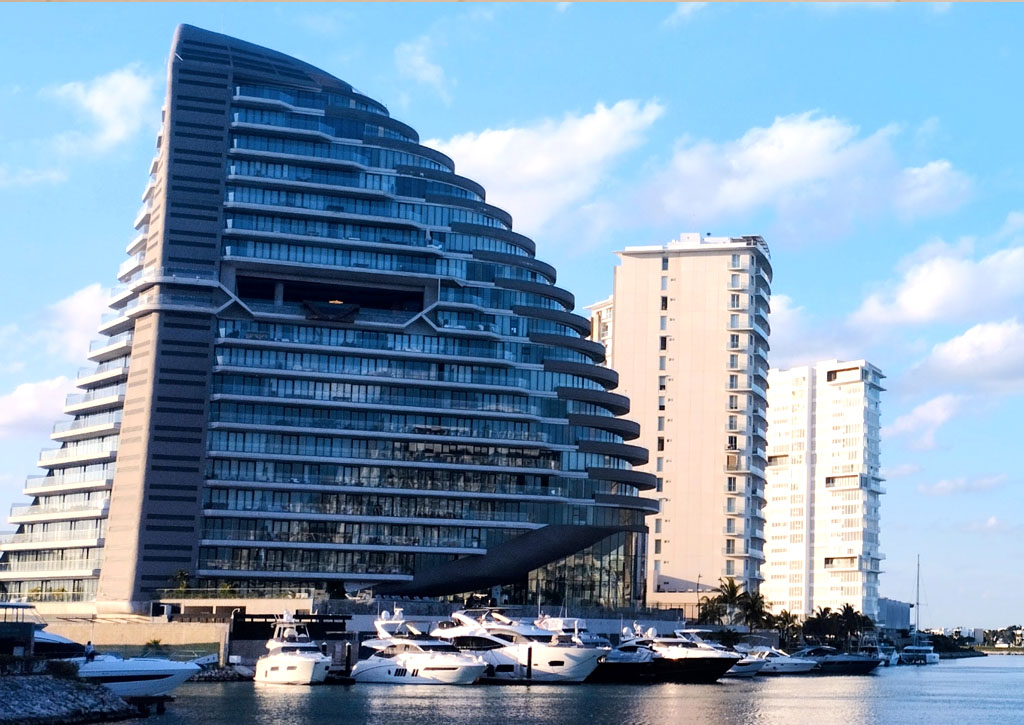
Yucatán has a lot going for it in the high-end tourism sector. The infrastructure, from the expanding reach of the Maya Train to the international airport and highway networks, is robust. Not to mention the vast amount of luxury accommodations and restaurants.
Yet there is a troubling undercurrent to this vision that demands scrutiny. Positioning Yucatán primarily as a playground for the global elite, a “San Miguel de Allende of the southeast,” is a political and economic choice with important consequences, and one that too often goes unchallenged in the glossy promotional materials circulated by state tourism boards.
The comparison to San Miguel de Allende is frequently used as a badge of honor, but it should also cause alarm. In many ways, San Miguel de Allende has become a victim of its own success, with spiraling real estate costs displacing long-standing local families and transforming a vibrant Mexican community into an expat enclave.
When consultants speak of attracting tourists who “leave a positive footprint,” the historical evidence suggests that elite tourism often leaves a much heavier carbon and social footprint than mass tourism, albeit a quieter one. It drives up land values, pushes local workers to the urban periphery, and creates a bifurcated economy where luxury hotels and high-end restaurants exist in a parallel universe to the daily struggles of the majority.
The Perils of Chasing the Elite
There is an inherent contradiction in the phrase “selective tourism.” Selection implies exclusion. By actively courting only the wealthiest visitors, Yucatán risks building a service economy that serves a minuscule fraction of the global population while alienating the domestic middle-class traveler and, more critically, the local population who must navigate the inflation that follows these high-net-worth individuals.
The notion that Yucatán should position itself as an elite destination for travelers is a pleasant sentiment for foreign consultants accustomed to European standards. However, it obscures a difficult reality: while luxury resorts boast world-class amenities, many surrounding communities still lack reliable potable water or adequate drainage.
Infrastructure as a Double-Edged Sword
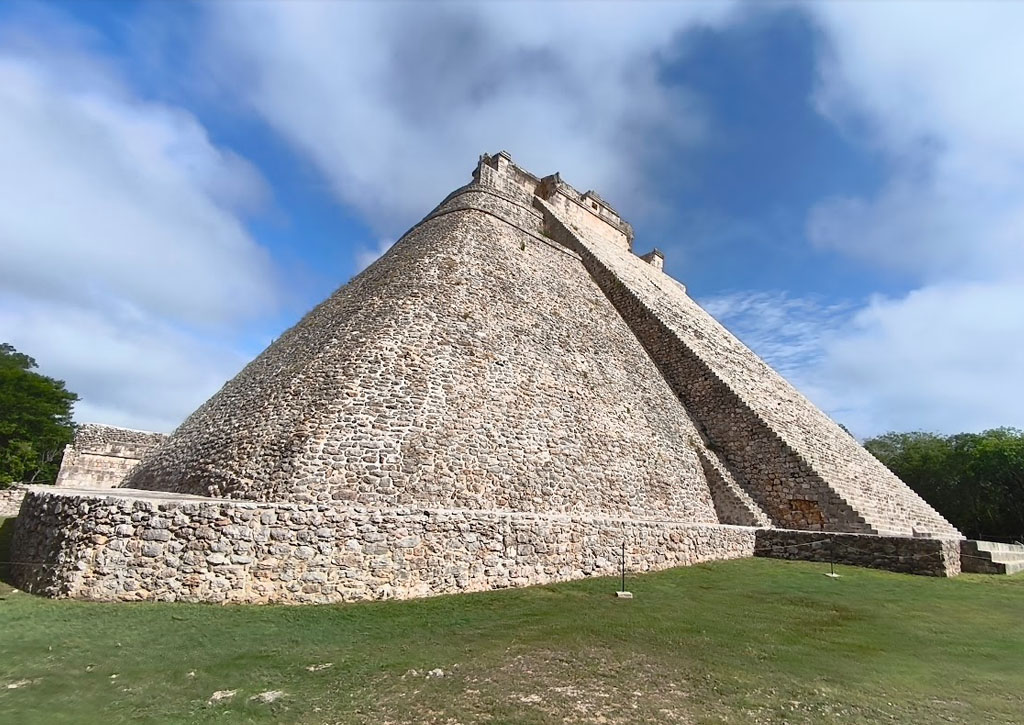
The roads, the airport, and the much-touted Maya Train do provide remarkable access to the peninsula’s interior. However, one must ask: infrastructure for whom? The Maya Train, in particular, has been a lightning rod for controversy precisely because its primary economic beneficiaries appear to be large hotel chains and international tour operators. At the same time, indigenous communities have raised legitimate concerns about land use, ecological fragmentation, and the disruption of their traditional livelihoods.
To frame Yucatán purely as a high-end hub ignores the region’s ecological fragility. The state sits atop a massive karst aquifer system—the cenotes that draw tourists. High-density elite tourism, with its golf courses and sprawling spas, places immense strain on this water table. Proponents of selective tourism often argue that fewer, richer tourists are more sustainable than a horde of backpackers. Yet a single private jet landing for a weekend stay produces more carbon than a year’s worth of bus travel for dozens of domestic visitors. The tourist’s bank balance does not reflect true sustainability; rather, it reflects the land’s regenerative capacity and the equitable distribution of economic benefits.
The Warning that is Quintana Roo
The concrete high-rises of Cancún and the hyper-commercialization of Playa del Carmen represent a development model that prioritized short-term profits over long-term resilience.
Here, Tulum is, of course, the highest-profile cautionary tale. Once a playground for the wealthy, it is today home to empty apartments and restaurants—all victims of poor planning, a long-ago popped real estate bubble, and greed.
Furthermore, the alternative being proposed by agents, including Rocco Bova, of boutique, low-density luxury, is not the radical departure it pretends to be. It is simply a different flavor of the same extractive model. While it avoids forty-story hotels, it replaces them with secluded, exclusive resorts that often wall themselves off from the surrounding communities. They offer a sanitized version of Yucatán, a curated experience where the poverty of the neighboring towns is hidden behind hedgerows. This is not responsible tourism; it is a gated community approach to travel.
A False Dichotomy
Ultimately, the narrative that Yucatán must choose between “mass tourism” and “elite tourism” is a false dichotomy. It is a framing that benefits developers and consultants, as it narrows the conversation to which type of foreigner to prioritize, rather than asking how tourism can serve the residents themselves.
The real question for Yucatán is not how to attract the right kind of tourist, but how to build a tourism sector that reinforces local sovereignty, protects the fragile aquifer, and ensures that the warmth of the Yucatecan people is not monetized to the point of exhaustion.
Taking the path of exclusivity may bring short-term economic spikes, but it risks eroding the very social fabric that makes the region extraordinary. The challenge ahead is not to build a luxury bubble, but to prove that hospitality can be equitable, that development can be inclusive, and that the “positive footprint” left by visitors is measured not in dollars spent, but in the well-being of the communities that welcome them.